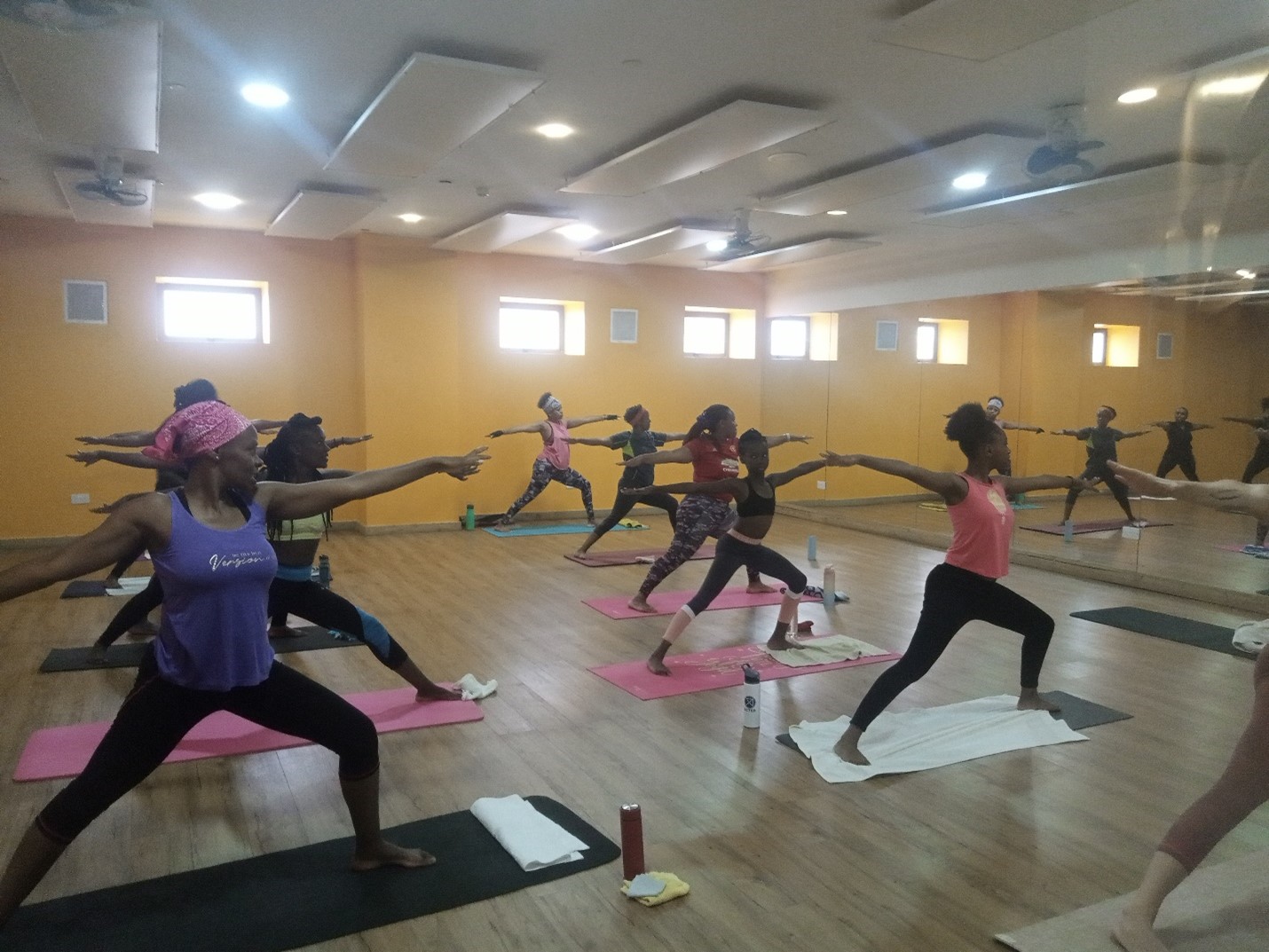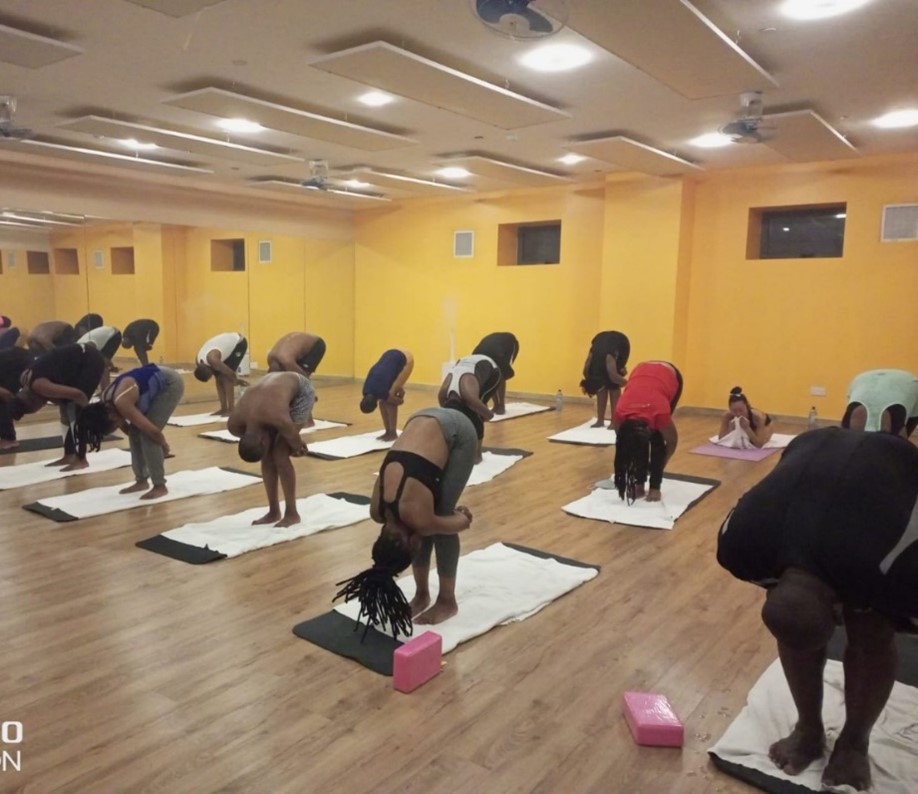
While it’s crucial to understand that yoga isn’t a replacement for professional trauma therapy, it offers profound healing potential by addressing the mind-body connection in a unique way. Trauma often disrupts our sense of safety and presence in our own skin. Yoga, with its emphasis on mindful movement, and breath awareness, gently guides us back towards that connection.
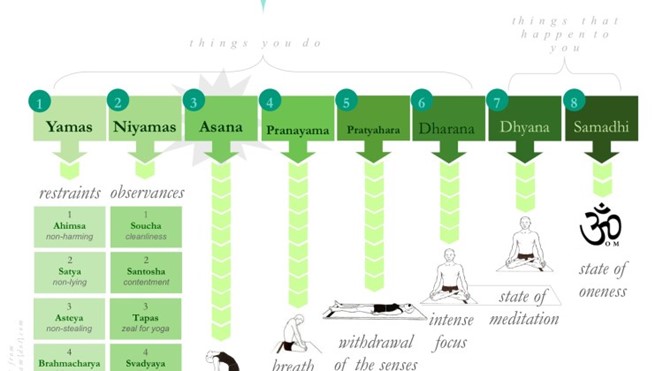
One of the key benefits of yoga in the context of trauma is its ability to down regulate the nervous system. Trauma often leaves individuals in a state of chronic hyper arousal – that “fight or flight” response stuck in the ‘on’ position. Practices like gentle Hatha yoga, restorative yoga, and Trauma-Sensitive Yoga (TSY) utilize slow, deliberate movements and conscious breathing techniques (pranayama) to signal safety to the body and promote relaxation. These approaches prioritize choice and agency, empowering individuals to move in ways that feel safe and comfortable for them.
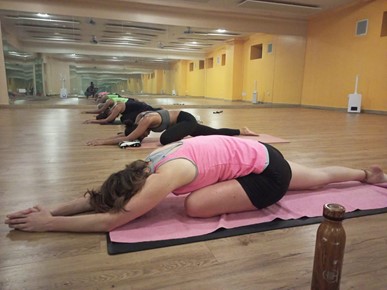
Specific types of yoga practices can be particularly supportive. For instance, Somatic Experiencing Yoga incorporates movements and awareness practices that help release stored trauma held within the body’s tissues. Yin yoga, with its long-held passive poses, can gently access deeper connective tissues where tension related to trauma might reside. Even mindful movement in a Vinyasa flow can help cultivate present moment awareness, shifting focus away from intrusive thoughts and flashbacks.
Now, let’s address the elephant in the room: can yoga sometimes be triggering? Absolutely. Certain poses that involve deep hip opening or strong twists might evoke uncomfortable sensations or memories for some individuals. Similarly, intense focus on the breath without proper guidance can sometimes exacerbate anxiety. That’s why a trauma-informed approach is crucial. This emphasizes modifications, empowers students to opt out of poses, and creates a safe and predictable environment.
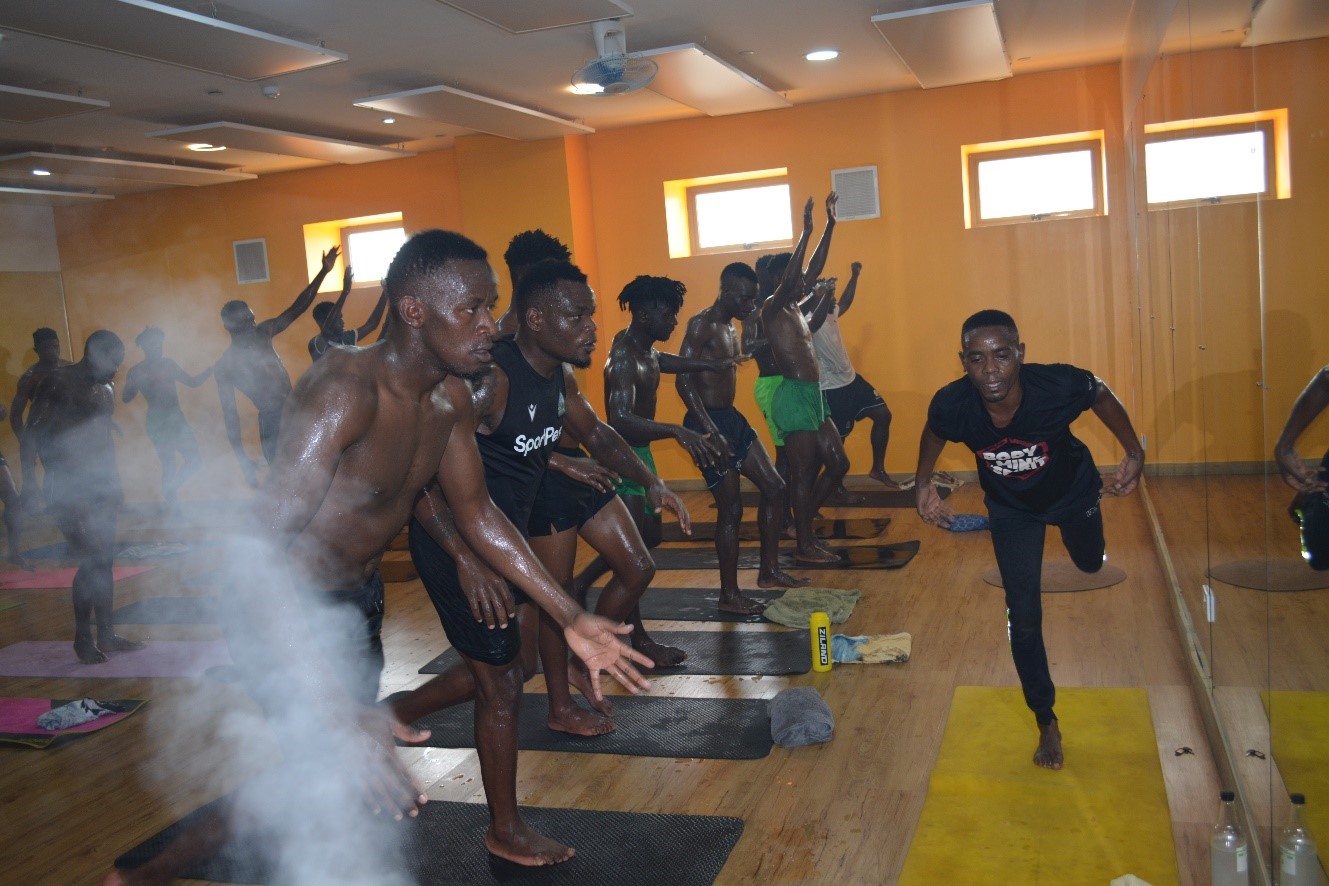
You might be wondering how hot yoga fits into this. The heat can be both beneficial and potentially challenging for individuals with trauma. The increased intensity can foster a deep sense of presence and release tension for some, while for others, it might feel overwhelming or claustrophobic. The key lies in self-awareness and choosing practices and modifications that feel grounding and safe. Listening to your body’s signals is paramount, especially in a heated environment.
Ultimately, yoga doesn’t erase the impact of trauma, but it offers a powerful pathway to reconnect with your body, cultivate a sense of safety, and build resilience. It’s about fostering a new relationship with yourself, one breath and one movement at a time. Whether you’re a seasoned yogi or just unrolling your mat for the first time, remember that the journey of healing is a personal one, and yoga can be a gentle and supportive companion along the way.