The Seven-Story Energy House
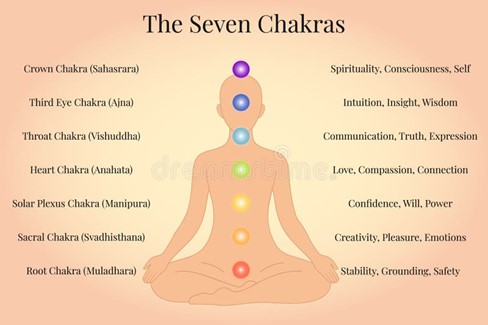
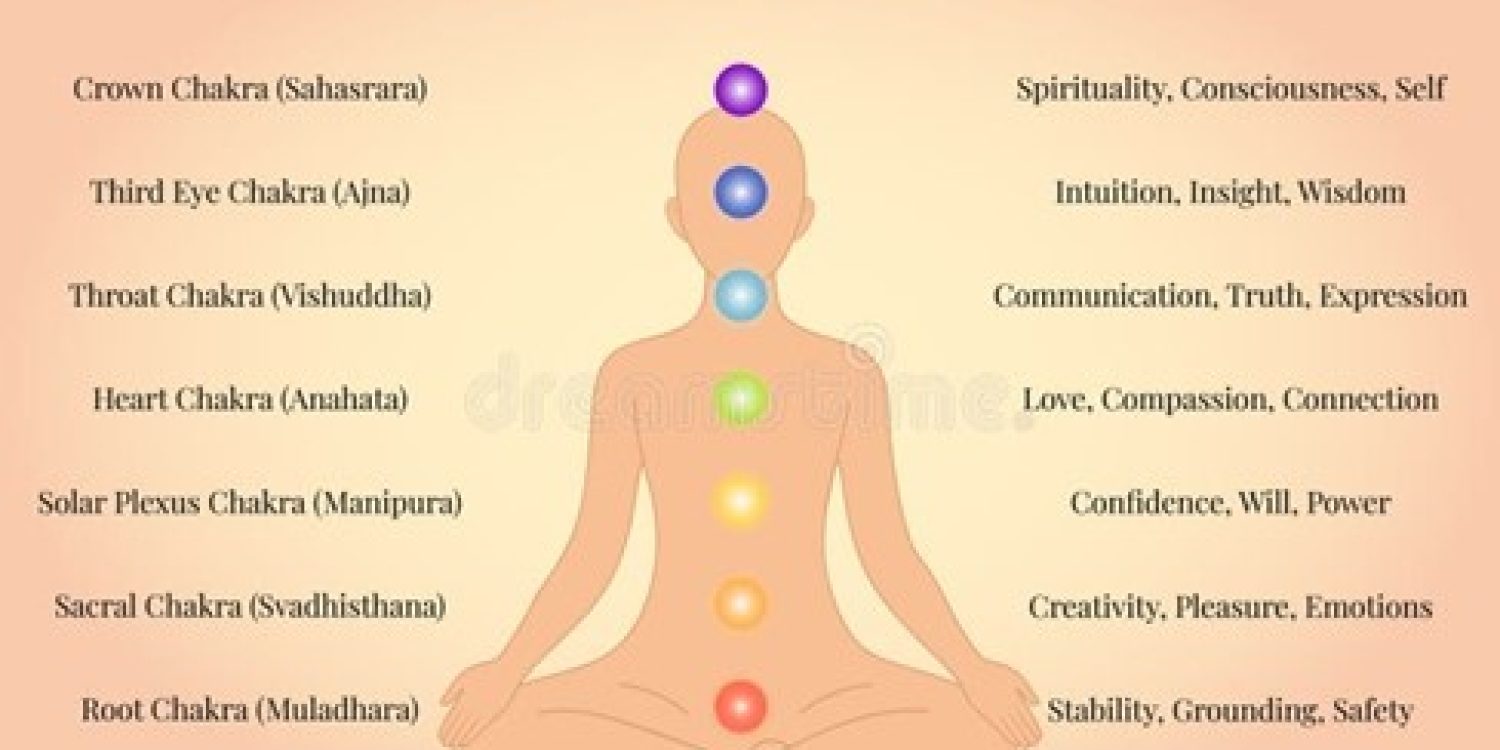
From the base of your tailbone to the crown of your head, these seven energy centers govern everything from our sense of safety to our spiritual connection. We start with the Muladhara (Root Chakra), our foundation of security, and travel up through creativity, power, love, communication, and intuition, until we reach the Sahasrara (Crown Chakra).
The Root Chakra (Muladhara)
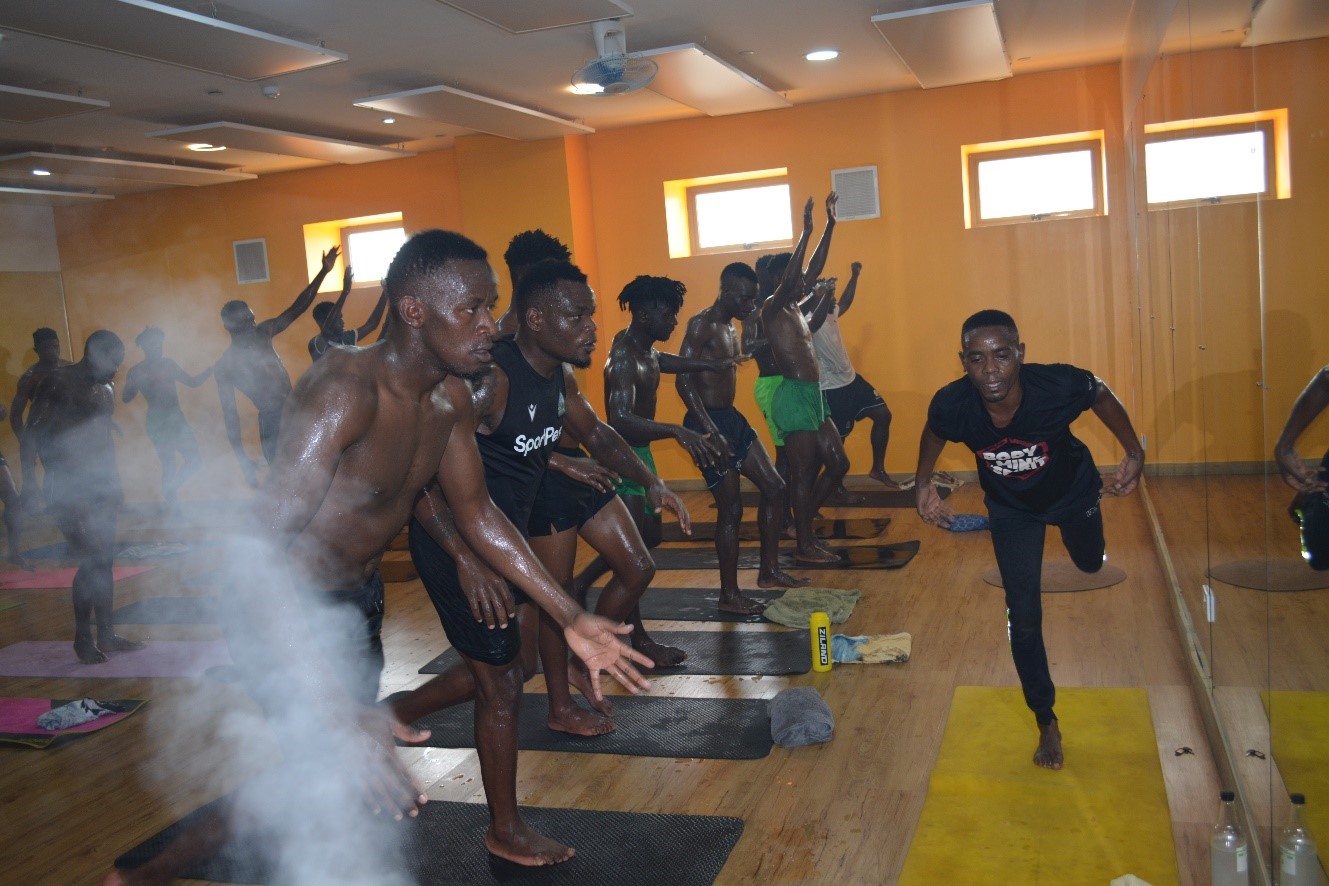
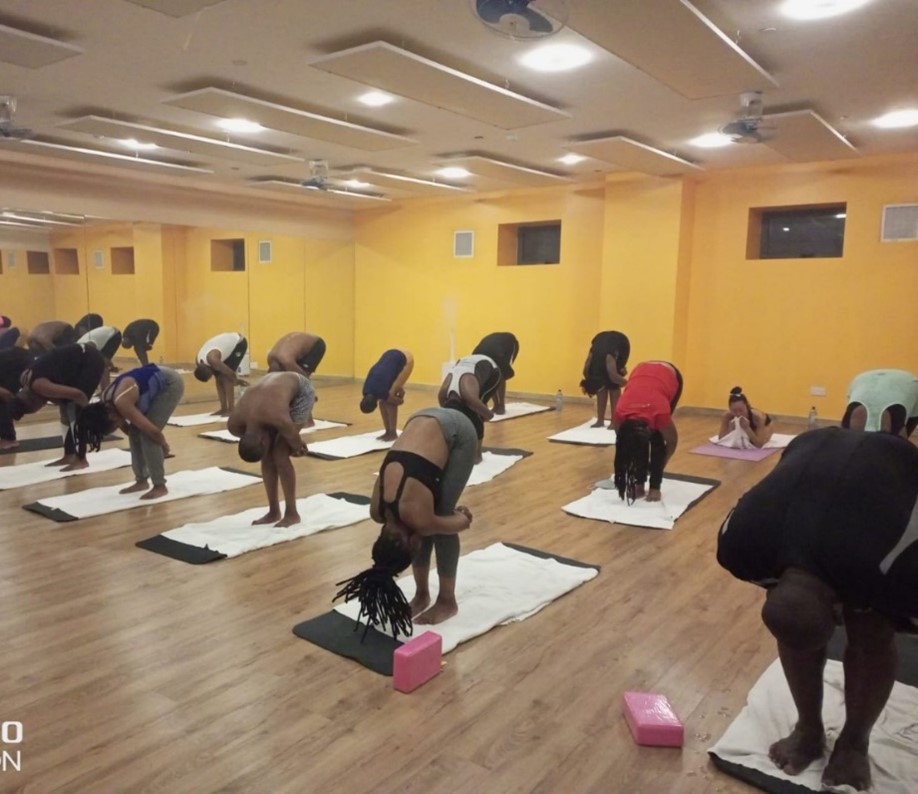
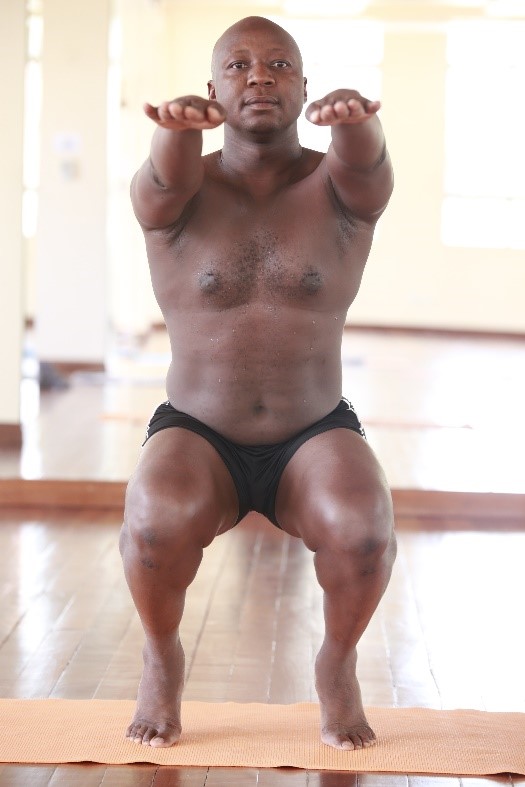
Hot yoga sequences like the Bikram or Baptiste-style standing series are an intense interrogation of the Root Chakra—the energy center at the base of the spine governing survival, safety, and grounding. Holding Chair Pose in a humid, dizzying room isn’t just a quad workout; it’s a primal test. Your brain is screaming “It’s too hot!” but your breath holds you steady. The ability to “hold your ground” in challenging circumstances is the primary work of the first chakra. Hot yoga quite literally teaches you to be comfortable in an uncomfortable, sweltering environment, rewiring your nervous system’s response to stress.
The Solar Plexus (Manipura) and Core Fire
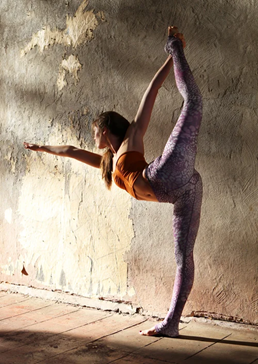
This chakra sits right in the gut and is your personal powerhouse—it’s the seat of willpower, self-esteem, and the infamous “fire in the belly.” In a hot room, the fire is external and internal. Poses like Standing Bow Pulling Pose (Dandayamana Dhanurasana) require a massive engagement of the core and an even more massive amount of internal discipline. A 2021 study on heated exercise environments noted an increase in perceived physical competence among practitioners, suggesting that enduring the heat can bolster the confidence and willpower associated with the Solar Plexus.
The Heart and Throat
Perhaps the most profound correlation between yoga chakras and hot yoga lies in the Heart Chakra (Anahata). The heat forces the chest to expand and the shoulders to drop away from the ears. It’s nearly impossible to hold tension in the upper back when you’re drenched in sweat. This physical opening is a direct invitation to emotional opening.
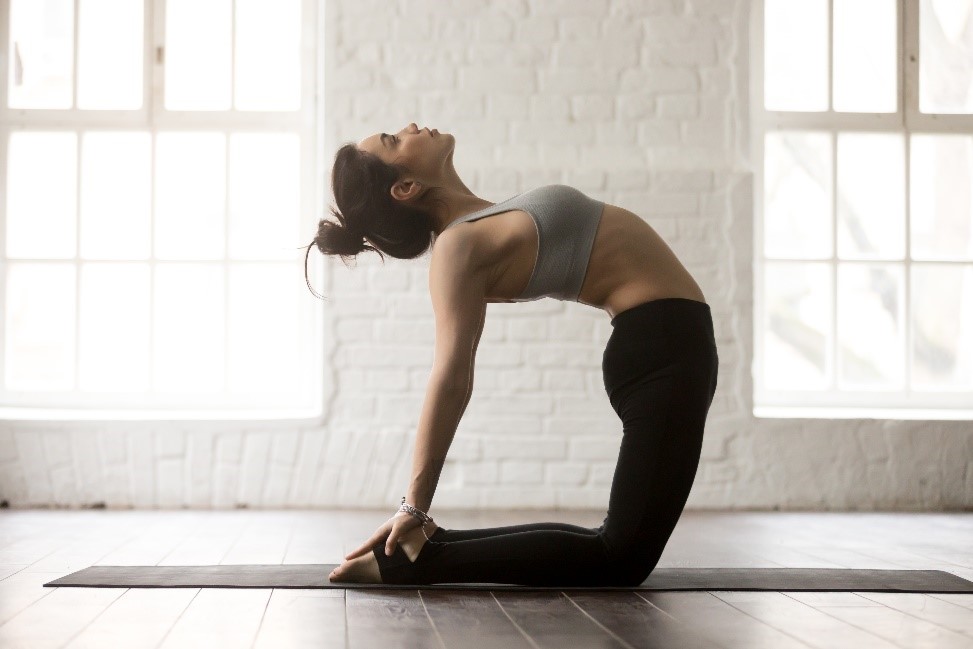
Camel Pose (Ustrasana) in a hot room is the chakra equivalent of a hydraulic press for the heart. It’s vulnerable, intense, and often emotional. Many practitioners report a sense of euphoria or emotional release right after these deep backbends in the heat. It’s the Anahata chakra releasing grief and making space for compassion. Similarly, the heat loosens the neck and jaw, clearing the way for a more resonant and authentic voice via the Throat Chakra (Vishuddha).
The Science of Sweat and Serenity
While you can work with chakras in any style of yoga, from gentle Restorative to precise Iyengar. Ancient yogis did not practice in heated studios. Hot yoga is a modern invention.
In traditional Ayurvedic and Yogic philosophy, heat (tapas) is a purifying force and a natural accelerant for prana (life force). It burns away impurities and stiffness. When you step into a room heated to 40°C, you’re not just loosening the fascia in your muscles; you’re loosening the energetic blockages in your subtle body.
Heat has a strong impact on the endocrine system, which the chakras are often mapped to. The heat-induced vasodilation improves circulation to the glands—the pineal (Third Eye), the thyroid (Throat), the adrenals (Root). It’s a full-body flush.
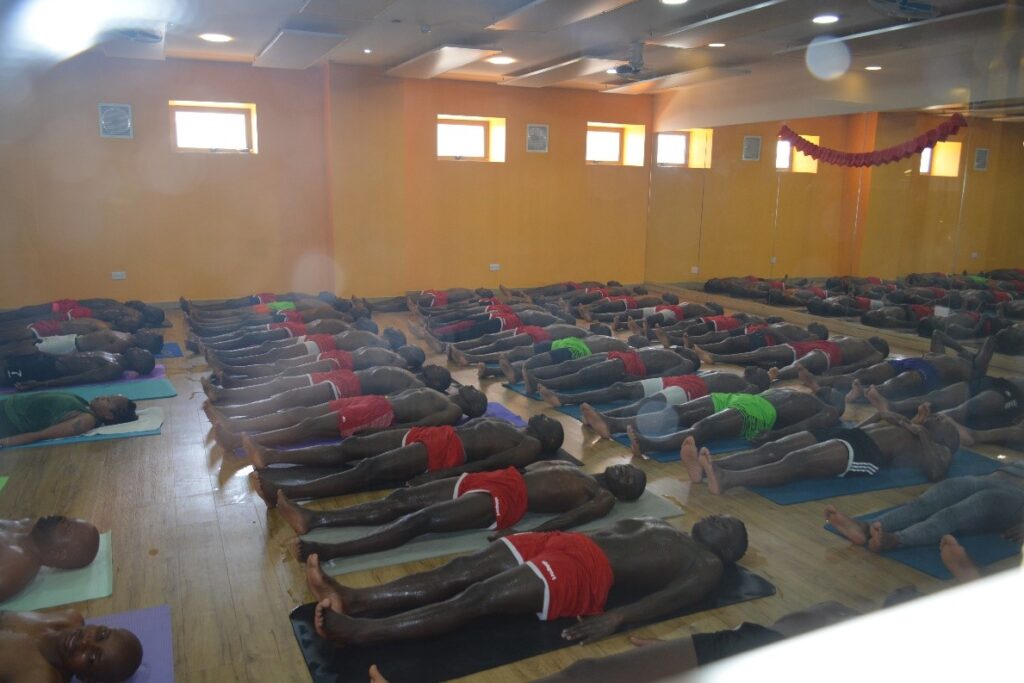
When you finally collapse into that glorious, sweaty Savasana after a hot class, you’re experiencing more than just muscle fatigue. You’re experiencing the quiet hum of a balanced energy system. The yoga chakras have been cleansed by the fire of hot yoga. You leave feeling not just thinner or more flexible, but lighter.
So next time you’re on the mat, inching your fingers toward your toes in a pool of your own effort, remember: you’re not just doing a workout. You’re performing energetic maintenance on the oldest machine you’ll ever own—yourself.